
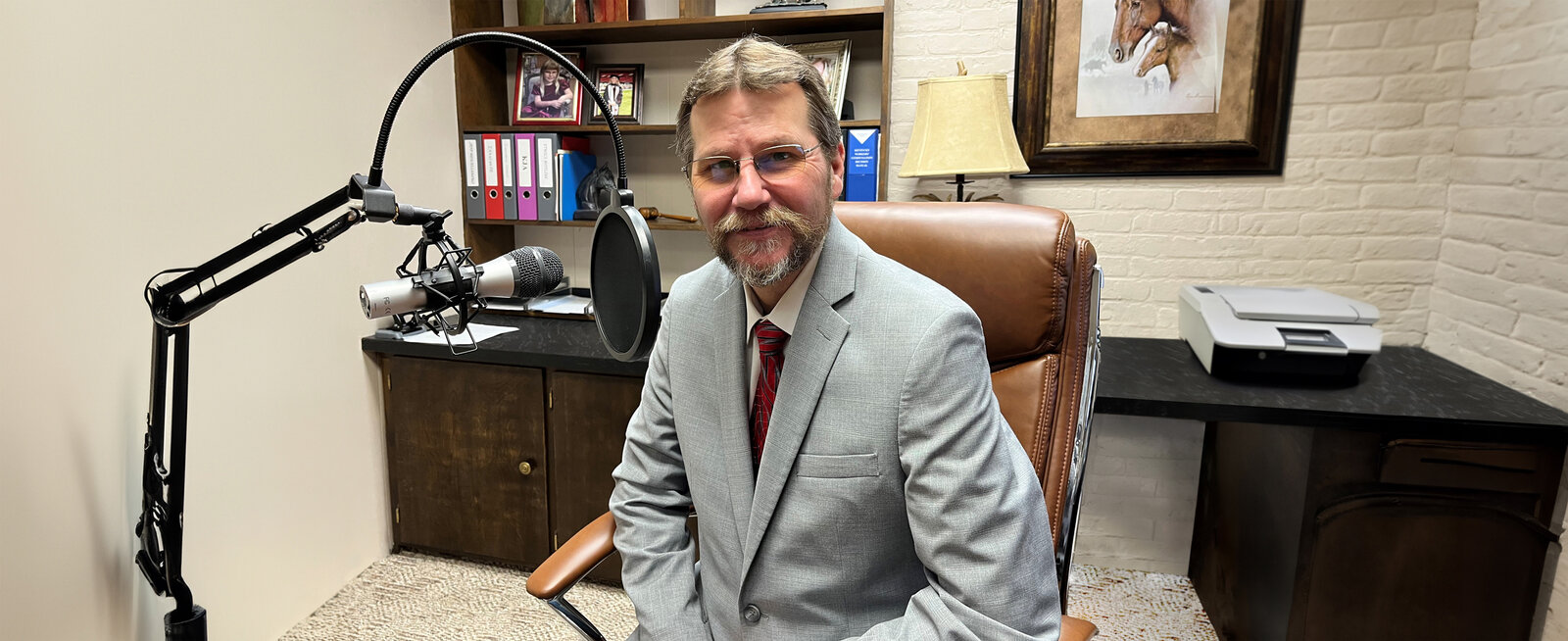

Episode 137: In today’s episode, Kentucky social security disability attorney Jeff Roberts explains 7 specific times you need to report a life change to Social Security to protect your benefits. There may be other times, but this is a good list of common situations. Certain changes may trigger an adjustment to your benefits. Some may decrease the amount you receive, while other changes could actually increase it.
There are 2 primary social security disability programs. The first, Social Security Disability Insurance (SSDI) relates to your work history. The second, Supplemental Security Income (SSI) is means tested.

There are 7 life changes that may impact your social security disability benefits. If you have one of the below, you need to update Social Security:
- An attempt to return to work or a change in income
- If you relocate, especially to a different state
- A divorce or marriage
- The death of a spouse
- Birth of a child
- If you are awarded other benefits, such as workers’ compensation
Attempting to Return to Work/Change in Income
Clients receiving social security disability benefits may attempt to try to work. This is permitted, in fact, Jeff encourages it. If you’re on SSI, your new income may reduce/eliminate your SSI benefits. If you’re on SSDI, you need to let Social Security know you’re attempting to return to work and what your wages will be. However, if you earn above the Substantial Gainful Activity (SGA) threshold, Social Security can deem you capable of working. If you are unable to remain at work for 3 months, it will be considered an unsuccessful attempt and you’ll simply revert to your benefits status. There are other considerations, depending on how long you’re able to continue working and Jeff can explain them to you. During your trial period of working, you’ll be able to keep your wages and your benefits, assuming your income is below the SGA level.
The 2026 non-blind SGA level is $1,690/month. The blind SGA level is just over $2,800/month.
Jeff notes that passive income, such as dividends from investments, that doesn’t require you to notify Social Security. It’s not considered “earned income.” However, even passive income can affect SSI qualifications and benefits.
You are responsible to report the information to Social Security. It’s not your attorney’s obligation. If Social Security sends a letter to inform you they no longer consider you disabled, you may want to contact your attorney.
Relocating, Especially to a Different State
You should notify Social Security if you relocate. Even if your bank account remains the same, you still need to provide them with your new address. If you’re receiving SSDI, it won’t affect your monthly disability benefit. If you’re on SSI, and move to a different state, it can affect your monthly benefits.
It’s important to understand that if you fail to notify Social Security, and the relocation should have changed the amount of your benefit, the Social Security Administration can pursue a repayment of what’s called the “overpayment.” This also applies if your income increased, but you failed to notify Social Security.
Document when you notified Social Security. It’s best to send a letter and a keep a dated copy. You’ll want to be able to document you notified them. If Social Security mistakenly continues to pay you, you may be able to request a waiver of the repayment. This is why keeping proof that you notified them is important.
Another reason to update Social Security with your new address is so other types of correspondence can make it to you, in a timely fashion. For instance, a disability review letter. You are required to provide additional information. If you fail to respond, because you didn’t receive the notice, you may lose your disability benefits.
Did You Recently Divorce or Marry?
If you recently divorced, you need to provide this change in marital status to Social Security. If you’re on SSI, your former spouse may have been working when you applied or began receiving benefits. After a divorce, you household income may have decreased. This could cause a recalculation of your disability benefit amount. If you have minor children, they may also be able to receive benefits.
On the flipside, if you recently married, you new spouse’s income may also cause a recalculation of your SSI disability benefit.
Did Your Spouse Pass Away?
If your spouse recently passed away, you need to update Social Security. SSDI or SSI benefits may enable you to receive benefits based on the deceased spouse’s earnings history, if it would cause you to receive a higher payment.
Social Security also offers a death benefit to the surviving spouse. The funeral home may make notification. However, you still need to also contact Social Security. Ask them if you are entitled to any addition benefits.
Has There Been a Birth of a Child?
If so, you need to notify Social Security, because it can affect your SSI benefits. If you’re on SSDI, a minor child can receive benefits, based on the parent’s earnings record.
Are You Receiving Other Benefits, such as Workers’ Comp?
Some types of additional benefits may impact your disability benefit payments. This is especially true if you’re settling a workers’ compensation claim. There is specific wording your workers’ comp attorney needs to have in your settlement, to avoid reducing your social security disability benefits. This is often called a set-aside or wrap-around. This involves your Average Current Earnings (ACE figure). If your combined benefits exceed 80% of the ACE threshold, you will see a reduction in social security disability benefits.
Jeff Roberts can handle your workers’ comp and your social security disability claims. If you have 2 different attorneys, one handling your workers’ comp claim and one handling your social security disability claim, you need to make sure they are communicating. This can help them coordinate your settlement language to avoid the decreased disability, or a potential overpayment situation.
This is not necessarily a comprehensive list of life changes that may impact your social security disability benefits, but it’s covers the most common. Speak to an experienced attorney about your specific situation.
Jeff offers free, initial consultations to ensure you have the information you need to decide your best options.
We hope you found this episode insightful and helpful.
Thank you for listening!
What Do Other Clients Think About Jeff?
We always encourage listeners to read the Google Reviews Jeff Roberts has received from many of his clients. A 5-Star rating and the comments are earned recognition and demonstrate Jeff’s commitment to his clients. As a solo attorney, he has more Google Reviews than some firms with multiple attorneys. Jeff shares the credit with his staff at the Roberts Law Office. Successfully representing injured clients is a team effort. It’s why Jeff likes to say his firm offers “Small Town Service with Big City Results.”
Jeff Roberts Represents Injured Clients Throughout Kentucky
With offices located in Calloway County (Murray) and now in Christian County (Hopkinsville), Jeff has a history of representing personal injury clients, workers’ compensation clients and social security disability clients across the state. He’s represented clients from Paducah, Bowling Green, Louisville, Covington, Whitesville and many other Kentucky locations. He’s not just a Western Kentucky injury attorney.
Is It Time to Speak with an Attorney about Your Social Security Disability Claim?
The office phone number is (270) 753-0053 or toll free at 800-844-5108. For more information, visit www.JeffRobertsLaw.com. This podcast is meant to provide information and is not legal advice. Jeff’s principal office is located at 509 Main Street, Murray, Kentucky. Co-host Jim Ray is a non-attorney spokesperson. This is an advertisement.