
Episode 136: In today’s episode, Calloway County motorcycle accident attorney Jeff Roberts discusses 5 things not to do after a motorcycle wreck. Jeff has ridden motorcycles since he was 16 years old. Having been in motorcycle accident, he is personally familiar with the risks, often caused by other drivers. Today, he uses over 30 years of legal experience to help you avoid making important mistakes with your motorcycle accident claim.
Always Wear Your Motorcycle Helmet
Before we begin the list, Jeff spends a few minutes discussing the importance of always wearing your motorcycle helmet. He’s been involved in many motorcycle accident cases. The difference a helmet makes can be the reason the motorcyclist survives the collision.
A recent headline reported that Kentucky ranks 9th in un-helmeted deaths. That’s an unfortunate ranking and something that could be easily improved. Motorcyclists don’t have the protection people do inside of a car. The results of a motorcycle collision can be catastrophic or even fatal.
Even if you are a safe motorcyclist, there’s no guarantee the person driving near you is also a safe driver. In all of the motorcycle cases Jeff has handled, in almost 34 years of practicing injury law, it’s rarely the case that the motorcycle wreck was the fault of the motorcyclist.
In Episode 126, Jeff published his annual motorcycle safety episode. Even though we are well into the summer, it might be worth listening to it.
Recent Motorcycle Accident Data
A recent report provides statistics on 2025 Kentucky motorcycle wrecks. Here are a few highlights:
- Almost 1,500 motorcycle crashes occurred
- 1,092 total injuries, some were catastrophic
- 114 motorcycle fatalities
The Transportation Cabinet provides up-to-date data for motorcycle accidents. The report indicates there have been 58 motorcycle fatalities, so far, in 2026. We still have about 2.5 months of motorcycle season to go.
5 Things Not To Do After a Motorcycle Wreck
#1: Don’t Fail to Seek Medical Care
Many motorcycle crashes are serious enough that you’re going to be transported by ambulance from the scene of the crash. However, if you’re able to avoid this, don’t neglect going to the doctor, ER, Immediate Care, or your family doctor. There could be underlying injuries that simply haven’t shown the severity yet. It’s important you seek medical care to detect any problems you may not be aware of, yet.
Kentucky requires PIP coverage (Personal Injury Protection) for any insured car. However, that coverage is optional for motorcycles. This creates a significant risk. If you chose not to purchase motorcycle PIP coverage, you forfeit your right to collect on the first $10,000 of damages, even if you were NOT the at-fault driver. Your motorcycle PIP coverage would provide immediate, automatic coverage for medical expenses and a few other expenses, regardless of who was at-fault in causing the collision.
It’s important to understand that a brain injury (e.g. a traumatic brain injury) can occur, even if you didn’t have an open wound on your head. A brain injury can show up in unexpected ways. While you may experience common symptoms, such as the loss of smell or taste, you family members may recognize other symptoms. A surprising symptom of a brain injury is a change in the person’s personality. This may show up as a short temper, when the person used to be relatively even-tempered.
It’s important that you seek medical care, after a motorcycle wreck, to enable your doctor or medial specialist to potentially test for a head injury. The sooner this is determined, the more quickly medical treatment can begin.
#2: Don’t Give a Recorded Statement without Your Attorney
After a motorcycle accident, the insurance company or attorney for the other driver may call to request you provide a recorded statement. Often, this may simply be a phone call conversation that is going to be recorded. They cover a variety of topics, including your version of what happened, your current medical condition and even previous injuries.
They are trying to get you to make specific statements that might enable them to shift the blame onto you. The adjuster is a highly trained negotiator and will make it seem like he/she is simply asking a few basic questions for their files. They’re actually working against you, without you realizing it.
The better way to handle this is to have your attorney on the call with you. He/she can add additional context or have you clarify specific answers. In fact, Jeff usually tends to ask the adjuster to enable him to question the other driver, on a recorded statement. Interestingly, once that request is made, the adjuster tends to lose interest in getting your recorded statement.
#3: Don’t Accept a Quick Settlement
It may be tempting to take the money they initially offer, especially if you have bills and expenses mounting up. As Jeff explains, until you’ve had time to seek medical treatment and complete the physical therapy or recover from surgery, you don’t know the full extent of your injuries and damages.
Once you agree to settle the claim, you won’t be able to go back to the insurance company for more money, if you need additional medical treatment, including another surgery. You’ll be responsible for all of those expenses.
Another risk to accepting a quick settlement is that you may not know you need to ensure specific wording should be included in that settlement, or you’ll forfeit your right to pursue an under insured motorist claim. That could mean you gave up the right to recover a substantial amount of money on a policy you’ve already paid for.
#4: Don’t Stop Your Medical Treatment
The doctors who are recommending a set of procedures, prescriptions and/or physical therapy are doing it to ensure you properly recover from your motorcycle accident injuries. If you decide to stop taking your medication or avoid finishing the physical rehab sessions, you give the other side leverage. It can also affect your ability to fully recover from your injuries.
For instance, if you are continuing to experience pain and need to undergo a follow-up surgery or other treatment, the insurance company can try to deny it, because you didn’t follow through with your original treatment. It must have been because your injuries weren’t as bad as originally claimed. Therefore, they shouldn’t be responsible for this new treatment. That can seriously complicate your case.
#5: Don’t Forget to Take Photos of Your Motorcycle and Injuries
If you’re able, it’s important to take photos of the damage to your motorcycle and wounds. The police at the scene will take some photos of the scene, but not necessarily all of the damage to your bike and helmet.
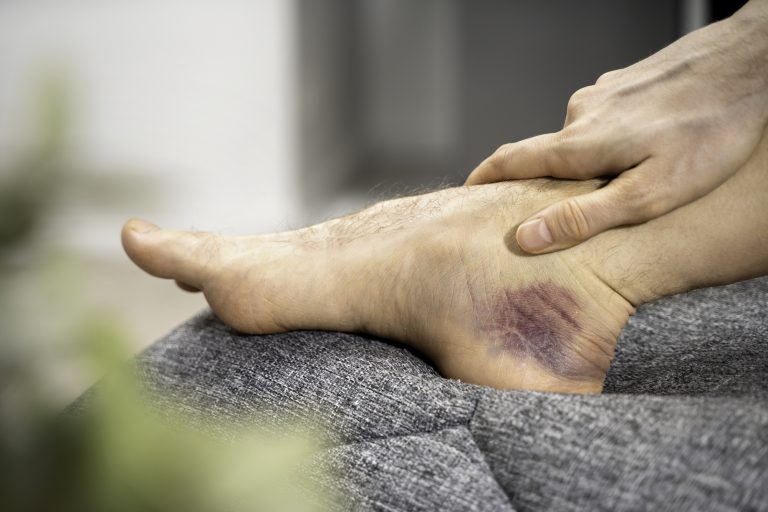
It’s important to take photos of injuries because they will heal over time. However, if your case goes to trial, your wounds will have healed and may not show what you experienced at the time of the collision or after surgeries. Cuts will heal. Bruises will fade. A photo preserves that important evidence. Your attorney will definitely use this evidence in negotiating a resolution, whether it’s a settlement or jury verdict. A picture is worth a thousand words.
Jeff offers free, initial consultations to ensure you have the information you need to decide your best options.
We hope you found this episode insightful and helpful.
Thank you for listening!
What Do Other Clients Think About Jeff?
We always encourage listeners to read the Google Reviews Jeff Roberts has received from many of his clients. A 5-Star rating and the comments are earned recognition and demonstrate Jeff’s commitment to his clients. As a solo attorney, he has more Google Reviews than some firms with multiple attorneys. Jeff shares the credit with his staff at the Roberts Law Office. Successfully representing injured clients is a team effort. It’s why Jeff likes to say his firm offers “Small Town Service with Big City Results.”
Jeff Roberts Represents Injured Clients Throughout Kentucky
With offices located in Calloway County (Murray) and now in Christian County (Hopkinsville), Jeff has a history of representing personal injury clients, workers’ compensation clients and social security disability clients across the state. He’s represented clients from Paducah, Bowling Green, Louisville, Covington, Whitesville and many other Kentucky locations. He’s not just a Western Kentucky injury attorney.
Is It Time to Speak with an Attorney about Your Motorcycle Wreck Claim?
The office phone number is (270) 753-0053 or toll free at 800-844-5108. For more information, visit www.JeffRobertsLaw.com. This podcast is meant to provide information and is not legal advice. Jeff’s principal office is located at 509 Main Street, Murray, Kentucky. Co-host Jim Ray is a non-attorney spokesperson. This is an advertisement.