
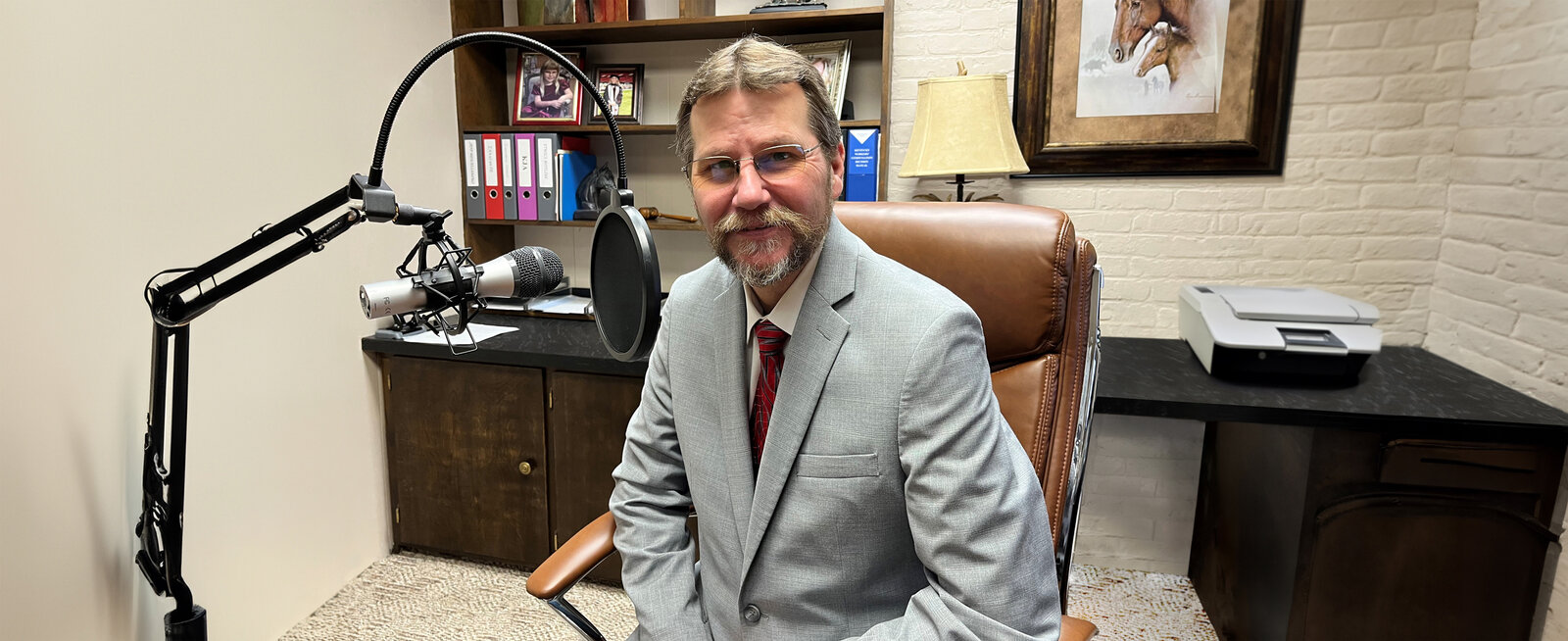

Episode 135: Kentucky workers compensation attorney Jeff Roberts discusses lump sum settlements and lifetime medical benefits that could be part of your workers’ comp settlement. Jeff has over 33 years of experience helping injured workers. A lump sum may be to your advantage, depending upon your situation. Also, while some injuries might qualify for lifetime medical benefits, it is possible to lose those benefits. Jeff explains why and what you need to do to ensure you keep them.
What Is a Workers’ Comp Lump Sum Settlement?
Not every case ends up with a lump sum settlement. In Kentucky, workers’ compensation settlements are paid weekly, over a period of time. It may be possible to negotiate a lump sum payout as part of your settlement, but the judge cannot rule that you receive a lump sum payout.
You may have to accept a slightly smaller sum, as a discount, to secure the lump sum payout, but that might be a small concession, given the benefit of not having to deal with weekly payments.
There a several different issues you should consider, before taking a lump sum. Jeff works closely with his clients to work through the various issues. Each client’s situation is different. At the same time, Jeff follows the preference of his clients. While he can recommend a certain path, the decision whether or not to take a lump sum payout is ultimately up to the client.
In Episode 127, Jeff explained how a structured settlement can be a smart way to protect your settlement, while it grows with interest, tax-free. During this episode, we announced that Jeff used a structured settlement in his client’s workers’ compensation settlement of what appears to be the largest workers’ compensation settlement in Kentucky history.
Various Benefits Available through Kentucky Workers’ Compensation
There are a number of different types of benefits available to injured Kentucky workers:
- Temporary Total Disability payments are available while you are off work under doctor’s orders. This is a weekly payment.
- Permanent Disability Benefits are payments that begin, once you reach maximum medical improvement. This is the portion that can be paid as a lump sum amount.
- Vocational Rehabilitation is a benefit that pays for training for you to pursue a different type of job, assuming you can’t return to the same type of work.
- Medical Benefits under workers’ comp cover co-pays, deductibles, prescriptions, medical treatment, rehabilitation therapy, and other issues related to your medical needs.
Jeff discussed the various benefits in Episode 121. Feel free to listen if you want more detailed information.
In 2018, the legislature changed Kentucky’s law of lifetime medical benefits. While most cases don’t involve lifetime medical, those that are severe enough are typically awarded medical benefits for the next 15 years. At that point, the worker can petition to have those benefits extended to lifetime benefits.
Some Injuries that Automatically Qualify for Lifetime Medical Benefits Include:
- Partial Amputations of the arm, hand, leg or foot
- Total Amputations of the arm, hand, leg or foot
- Hearing Loss
- Loss of an eye
- Loss of a tooth that results in the need for dentures or a partial
For other injuries, the Department of Workers’ Claims will send a notice to you, as you approach the 15-year point. This is when you can petition to extend your benefits. You’ll provide paperwork and the insurance company will have the opportunity to try to limit your benefits. The judge will make the ultimate decision.
Don’t Lose Your Lifetime Medical Worker’s Comp Benefits
It’s important that you stick with your ongoing treatment for your workplace injury. Jeff recommends seeing your doctor every six months or at least annually. You need to have it documented that you continue to have pain from your injury. You want to make sure your doctor has a paper trail that indicates you’ve consistently discussed the pain you’re experiencing. If you fail to see your doctor on an ongoing basis, it may open the door to allow the insurance company to argue your need for lifetime medical is based on something other that the workplace injury. After all, you didn’t complain or see a doctor for several years before trying to petition for the extension.
It’s possible that you can get coverage for another joint that may be wearing down, because you’ve been compensating for pain on a certain side. Your doctor may make that determination and because it’s an effect of the original surgery. This can happen with leg injuries or spinal fusions.
If you decide to go for a lump sum settlement, the insurance company may try to have you forfeit future medical benefits, or the right to reopen your case. Another insurance negotiating tactic is to have you give up vocational rehab. You need to work closely with your attorney to determine what’s in your best interest. Any settlement involves a give and take. However, you need to fully understand what you’re giving up in the long-term. It might not be a good move for you.
If you relocate, it’s your responsibility to update the Department of Workers’ Claims. If you fail to do so, you might not receive that 15-year notice, because it was sent to your original address. Getting your case reopened, so you can petition for lifetime medical might not be possible, if you go past that deadline.
Jeff offers free, initial consultations to ensure you have the information you need to decide your best options.
We hope you found this episode insightful and helpful.
Thank you for listening!
What Do Other Clients Think About Jeff?
We always encourage listeners to read the Google Reviews Jeff Roberts has received from many of his clients. A 5-Star rating and the comments are earned recognition and demonstrate Jeff’s commitment to his clients. As a solo attorney, he has more Google Reviews than some firms with multiple attorneys. Jeff shares the credit with his staff at the Roberts Law Office. Successfully representing injured clients is a team effort. It’s why Jeff likes to say his firm offers “Small Town Service with Big City Results.”
Jeff Roberts Represents Injured Clients Throughout Kentucky
With offices located in Calloway County (Murray) and now in Christian County (Hopkinsville), Jeff has a history of representing personal injury clients, workers’ compensation clients and social security disability clients across the state. He’s represented clients from Paducah, Bowling Green, Louisville, Covington, Whitesville and many other Kentucky locations. He’s not just a Western Kentucky injury attorney.
Is It Time to Speak with an Attorney about Your Workplace Injury Claim?
The office phone number is (270) 753-0053 or toll free at 800-844-5108. For more information, visit www.JeffRobertsLaw.com. This podcast is meant to provide information and is not legal advice. Jeff’s principal office is located at 509 Main Street, Murray, Kentucky. Co-host Jim Ray is a non-attorney spokesperson. This is an advertisement.