
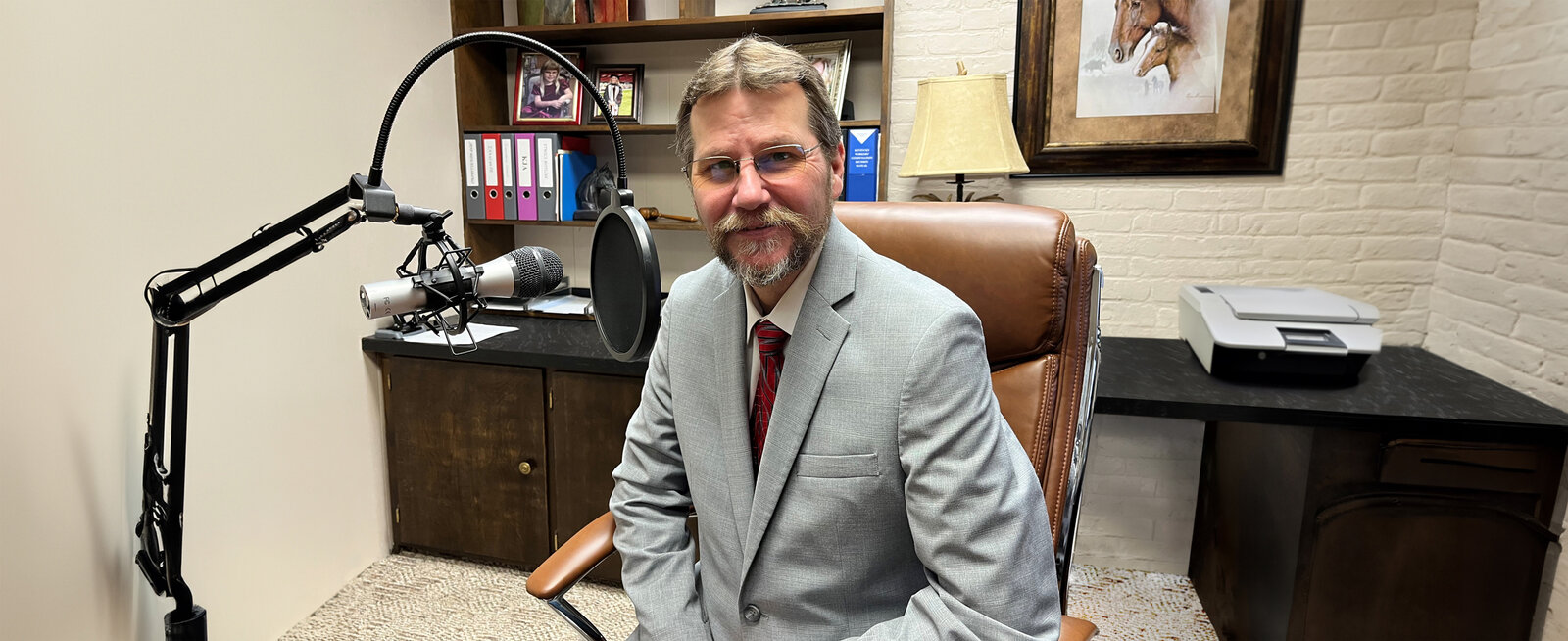

Episode 139: In Episode 139, Calloway County personal injury attorney Jeff Roberts discusses the four primary categories of monetary damages available in Kentucky motor vehicle accident cases: economic, non-economic, wrongful death, and punitive damages . Economic damages compensate for quantifiable financial losses, including past and future medical bills, lost income, decreased future earning capacity, and vehicle property damage . Non-economic damages address harder-to-quantify personal losses, such as physical pain and suffering, PTSD, scarring or disfigurement, and loss of consortium for surviving family members . In fatal collisions, a wrongful death claim pursued by the victim’s estate can cover lost income, funeral or medical expenses, and loss of household services . Finally, punitive damages are awarded to punish negligent parties, such as drunk or commercial truck driver, when clear and convincing evidence demonstrates oppression, fraud, or malice.
What Are Damages?
Damages are what you attempt recover for monetarily, based on the other person’s negligence. This can apply to many different types of situations, not just car wrecks. It’s how we compensate someone for the losses they incurred. There are 4 common types of damages that are in a motor vehicle accident claim: 1) Economic, 2) Non-Economic, 3) Wrongful Death, and 4) Punitive.
Jeff Explains Economic Damages
These damages can be directly related to a bill or other quantifiable expense. Hospital bills, doctor’s bills, medication related to the injury, etc. This includes any medical treatment.
Economic damages can also include money that is no longer coming in, due to the accident. For instance, if you’re off work. The lost income is classified as an economic damage.
In Kentucky, the courts will consider both past and future damages. A past damage would include the medical bills incurred during the treatment of your accident-related injuries. Lost wages also fall into this category. You can also recover for the future likelihood of medical treatment. Low-back fusions often require additional surgeries to treat the other vertebrae near the fusion point. This is called adjacent segment disease.
The important point to remember is that unless your settlement agreement or verdict specifically covers future medical expenses, you would not be able to go back to the negligent driver’s insurance carrier for medical expenses several years later, because your condition worsened.
Another type of future damage is a decrease in future earnings capacity. Assume you had a back injury at 30 years of age. Statistically, you won’t be able to work as long as someone who never had a back injury, depending upon the type of work you do. You’ll have a decreased work-life expectancy. Your inability to work at the same level of productivity might limit the number of promotions you receive over the life of your career. This is especially relevant when you consider the last years of your career should be your highest earnings years.
Property damage is another type of economic damage that’s commonly part of a motor vehicle accident claim. Think of the repair cost for damage to your vehicle and/or other property. Often, property damage is resolved fairly quickly, unless there’s a dispute as to which driver caused the collision. A property damage claim could also involve a claim for the diminished value of the car. For instance, new car (or collectible car) is worth more than one that’s been damaged and later repaired.
What are Non-Economic Damages in a Car Wreck Case?
Compared to economic damages, non-economic damages are harder to quantify. Pain and suffering is a non-economic damage. There’s no invoice or bill to use as a basis. In Jeff’s experience, he’s found that the non-economic damages can be more significant that the economic damages.
While the person may be able to return to work, they may still have to deal with pain or diminished ability to perform certain activities. Imagine not being able to pick up your child or grandchild due to a recent back injury from the car wreck.
PTSD, depression and other emotional or psychological conditions could be non-economic damages.
Scarring and/or disfigurement are other types of non-economic damage. The person may be less inclined to go to the pool, the beach or engage in other previously enjoyed activities. This may make them feel self-conscious or embarrassed.
An experienced attorney will work hard to establish a value for the non-economic damages during the pre-trial negotiations and if necessary, in the minds of the jury members.
Loss of consortium is another, tragic form of non-economic damages. This occurs when a death has resulted from the motor vehicle accident. This death doesn’t not have to have occurred at the scene of the accident. Under KRS 411.145, a loss of consortium claim attempts to compensate the victims for the loss of the love and affection involving specific family members. This type of claim is pursued by family members based on the loss of person who was in the collision. It applies to someone who lost a parent or a spouse. It also applies to parents who lost a minor child.
A Wrongful Death Claim Resulting from a Motor Vehicle Accident
This type of damage is pursued by the estate for the individual who died in the collision. The loss of consortium claim is different, because it’s filed on the behalf of surviving family members.
The wrongful death claim can also include the loss of the victim’s income, or if retired, their social security retirement/disability benefits. It can seek to cover medical expenses of the deceased, related to the accident.
Additionally, there’s a loss of services claim. For instance, a family who now has to hire someone to maintain a property the decease used to handle. This can be as simple as the expense of hiring someone to mow the lawn, or much more if the family owns significant acreage.
Punitive Damages Are Meant to Punish, not to Compensate
Up to this point, Jeff has described damages that are compensatory. In other words, they compensated the victim and his/her family for damages resulting from the motor vehicle accident. Punitive damages are different. The jury awards punitive damages to punish the negligent driver and other litigants for the wrong they committed, as it relates to the collision.
To recover punitive damages, in Kentucky, you have to show by clear and convincing evidence, either oppression, fraud or malice on the part of defendant in the case.
This claim can be part of a claim involving a drunk driver, and typically in claims involving a trucking accident. If it’s a trucking collision, the claim could be filed against the truck driver, the trucking company, and/or others working on behalf of the trucking company. These parties placed not only the victim in harm’s way, but every other person who encountered that negligent driver along the way.
Jeff offers free, initial consultations to ensure you have the information you need to decide your best options.
We hope you found this episode insightful and helpful.
Thank you for listening!
What Do Other Clients Think About Jeff?
We always encourage listeners to read the Google Reviews Jeff Roberts has received from many of his clients. A 5-Star rating and the comments are earned recognition and demonstrate Jeff’s commitment to his clients. As a solo attorney, he has more Google Reviews than some firms with multiple attorneys. Jeff shares the credit with his staff at the Roberts Law Office. Successfully representing injured clients is a team effort. It’s why Jeff likes to say his firm offers “Small Town Service with Big City Results.”
Jeff Roberts Represents Injured Clients Throughout Kentucky
With offices located in Calloway County (Murray) and now in Christian County (Hopkinsville), Jeff has a history of representing personal injury clients, workers’ compensation clients and social security disability clients across the state. He’s represented clients from Paducah, Bowling Green, Louisville, Covington, Whitesville and many other Kentucky locations. He’s not just a Western Kentucky injury attorney.
Is It Time to Speak with an Attorney about Your Automobile Accident Claim?
The office phone number is (270) 753-0053 or toll free at 800-844-5108. For more information, visit www.JeffRobertsLaw.com. This podcast is meant to provide information and is not legal advice. Jeff’s principal office is located at 509 Main Street, Murray, Kentucky. Co-host Jim Ray is a non-attorney spokesperson. This is an advertisement.

